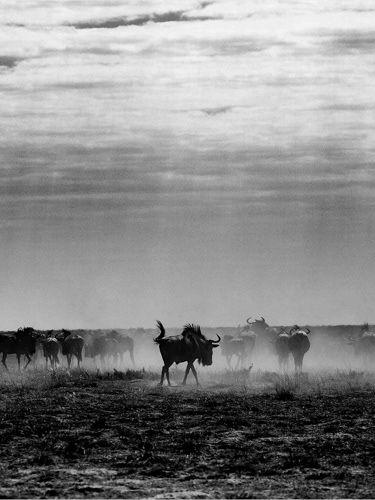
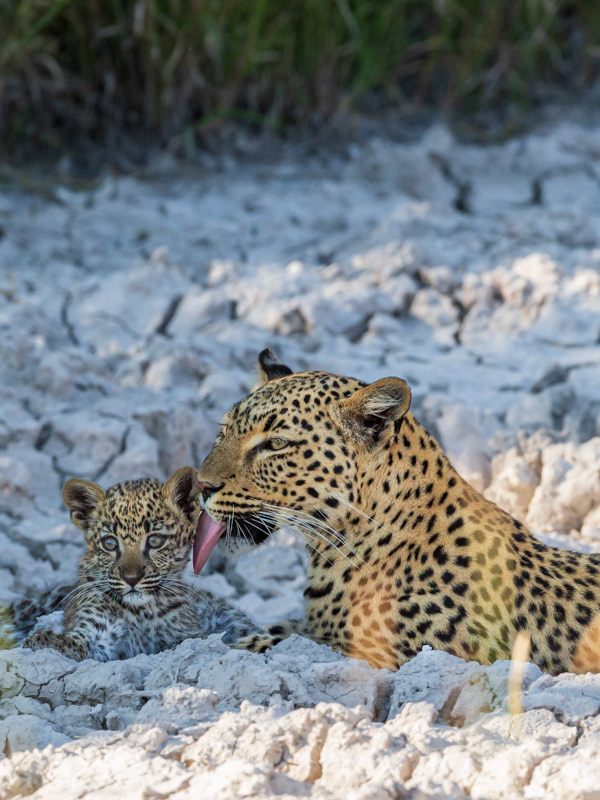
🇮🇹 Il bush al mattino ha un silenzio che pesa. Niente vento. Niente uccelli. Solo il suolo asciutto che scricchiola sotto i piedi e la voce bassa della guida AfriCat che dice: "Da questa parte."
Eravamo usciti dal fuoristrada venti minuti prima, nel cuore della Okonjima Nature Reserve. L'antenna che portava in mano captava il segnale dei collari radio — qualcosa si muoveva lì avanti, tra le acacie. Avanzavamo lentamente, in fila indiana, con gli occhi sul terreno. In Namibia, nel bush, non si guarda mai solo in avanti: si guarda anche dove si mette il piede. I serpenti non avvertono.
Poi la guida si è fermata di colpo. Ha alzato una mano.
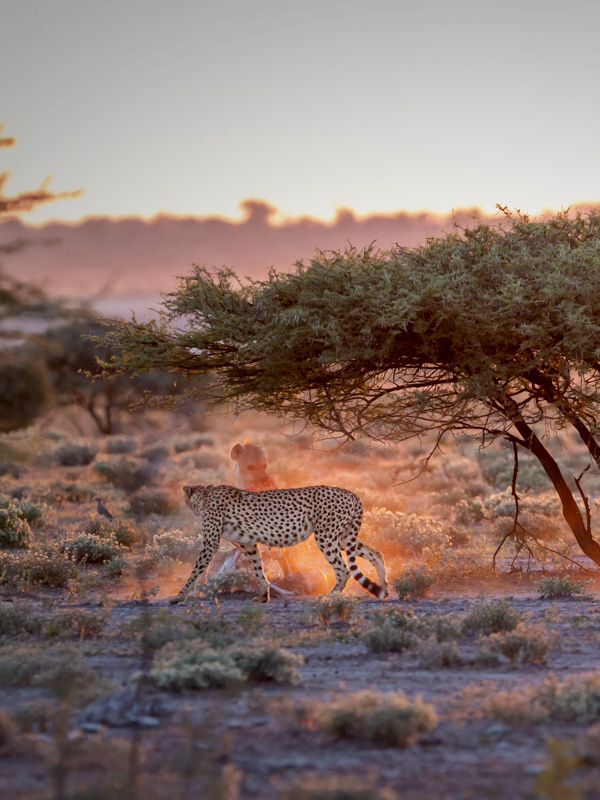
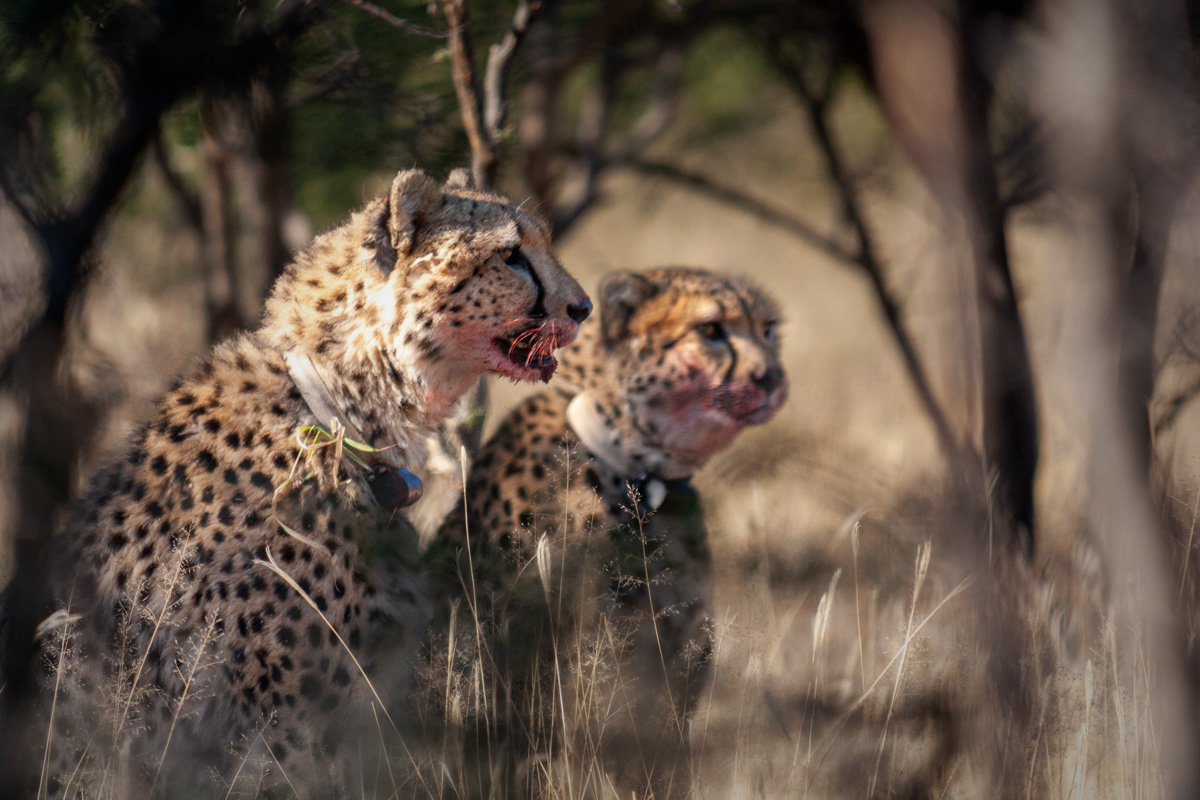
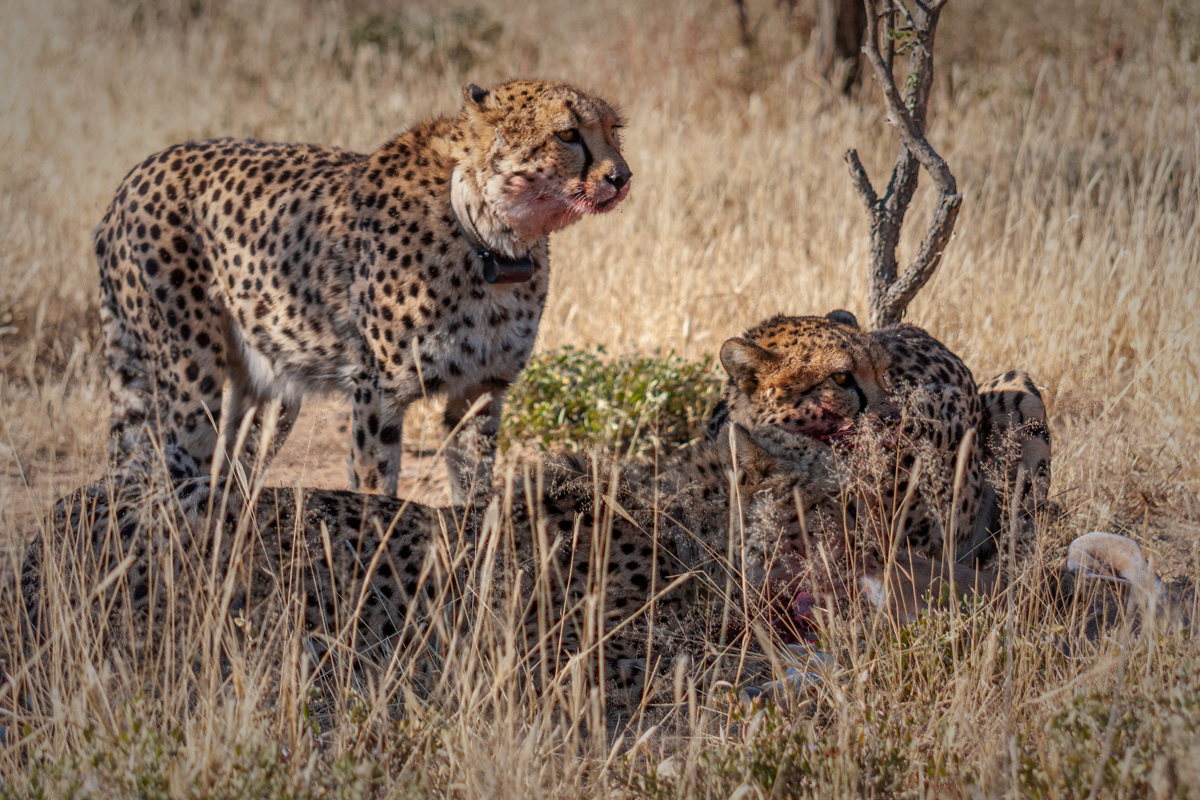
Li ho visti un secondo dopo: tre ghepardi, a meno di venti metri, chini su una preda appena cacciata. Il sangue era ancora fresco. Si muovevano con quella precisione silenziosa che hanno i felini quando mangiano — nessuno spreco, nessun gesto inutile. Uno di loro ha alzato la testa e ci ha guardati. Non si è mosso.
Il cuore batteva forte. La guida ha detto sottovoce: "Fermi. Niente movimenti bruschi." Teneva il bastone di traverso davanti a sé. Solo un bastone, tra noi e tre ghepardi a stomaco pieno.
Ho sollevato la macchina fotografica e ho cominciato a scattare. Le mani erano ferme. La testa, molto meno. Me ne sono accorto solo dopo, rivedendo le immagini: molti scatti erano recuperabili a malapena. Quando l'adrenalina sale così, la lucidità tecnica è l'ultima cosa che rimane.
Siamo rimasti lì, immobili, per quello che sembrava un tempo sospeso.
Poi i tre ghepardi si sono alzati insieme, in sincronia, e hanno puntato lo sguardo verso destra. La guida non ha aspettato: "Andiamo. Subito." Voce calma, ma senza margine di discussione. Un leopardo in avvicinamento non è una situazione in cui si delibera.
Ci siamo ritirati verso il fuoristrada senza correre, senza parlare, con la nuca che formicolava.
Il rientro al lodge di Okonjima è stato tranquillo. I battiti cardiaci hanno impiegato più tempo a calmarsi.
Era la mia prima volta nel bush a piedi, in cerca di ghepardi. Non sarà l'ultima.
🇬🇧 The bush in the morning has a silence that sits heavy on you. No wind. No birds. Just the dry ground crunching underfoot and the low voice of the AfriCat guide saying: "This way."
We'd stepped out of the Land Rover twenty minutes earlier, deep in the heart of Okonjima Nature Reserve. The antenna he was carrying was picking up signals from the radio collars — something was moving up ahead, through the acacias. We pushed on slowly, single file, eyes down. Out in the Namibian bush, you don't just watch where you're going — you watch where you're putting your feet. Snakes don't give you a heads-up.
Then the guide stopped dead. Hand up.
I spotted them a second later: three cheetahs, not twenty metres away, hunched over a fresh kill. The blood was still warm. They moved with that eerie, unhurried precision that big cats have when they're feeding — nothing wasted, not a single unnecessary move. One of them lifted its head and clocked us. Didn't budge.
Heart going like the clappers. The guide murmured: "Stay still. No sudden movements." He held his stick out crossways in front of him. Just a stick, between us and three well-fed cheetahs.
I lifted my camera and started shooting. Hands steady enough. Head, not so much. I only twigged how bad it was later, going back through the shots — half of them were barely salvageable. When the adrenaline's pumping that hard, your technical brain is the first thing out the window.
We stood there, rooted to the spot, in what felt like time standing still.
Then all three cheetahs stood up at once — perfectly in sync — and fixed their gaze to the right. The guide didn't hang about: "Move. Now." Dead calm, but absolutely no room for debate. A leopard closing in isn't the sort of thing you stop to have a think about.
We backed off towards the Land Rover — no running, no talking, the back of our necks prickling the whole way.
The drive back to Okonjima lodge was uneventful enough. Our heart rates took considerably longer to catch up.
That was my first time out in the bush on foot, hunting cheetahs with a camera. It won't be the last.
©Mario Bordin — Okonjima Nature Reserve, Namibia 2012
NotE:
🇮🇹 La Okonjima Nature Reserve si trova a circa 50 chilometri a sud di Otjiwarongo, nella Namibia centrale, raggiungibile facilmente da Windhoek. Fondata nel 1993, ospita la AfriCat Foundation, organizzazione non profit dedicata alla riabilitazione di grandi carnivori — ghepardi, leopardi e altre specie — che dopo infortuni o orfanezza non potrebbero sopravvivere autonomamente in natura. Gli animali seguiti dal programma vengono rilasciati nel territorio della riserva e monitorati attraverso collari radio, con sessioni di tracking regolari condotte dai ricercatori.
I ghepardi fotografati sono animali in programma di riabilitazione presso la AfriCat Foundation, localizzati tramite collare radio. Non si tratta di un incontro in campo libero con animali selvatici non monitorati. Le immagini documentano comportamenti autentici di animali liberi di muoversi nel territorio della riserva.
🇬🇧 Okonjima Nature Reserve sits about 50 kilometres south of Otjiwarongo, bang in the middle of Namibia — dead easy to reach from Windhoek, which is handy. Founded back in 1993, it's home to the AfriCat Foundation, a proper non-profit outfit dedicated to rehabilitating big carnivores — cheetahs, leopards and the like — that wouldn't stand a chance on their own after being injured or orphaned. Once the animals are sorted, they're released into the reserve and kept tabs on via radio collars, with researchers regularly heading out to track them.
Worth knowing: the cheetahs in these photos are part of AfriCat Foundation's rehabilitation programme and were located using their radio collars. This wasn't a chance encounter with wild, unmonitored animals out in the middle of nowhere. What you're seeing is genuine, natural behaviour — from animals roaming freely across the reserve, just not completely off the grid.
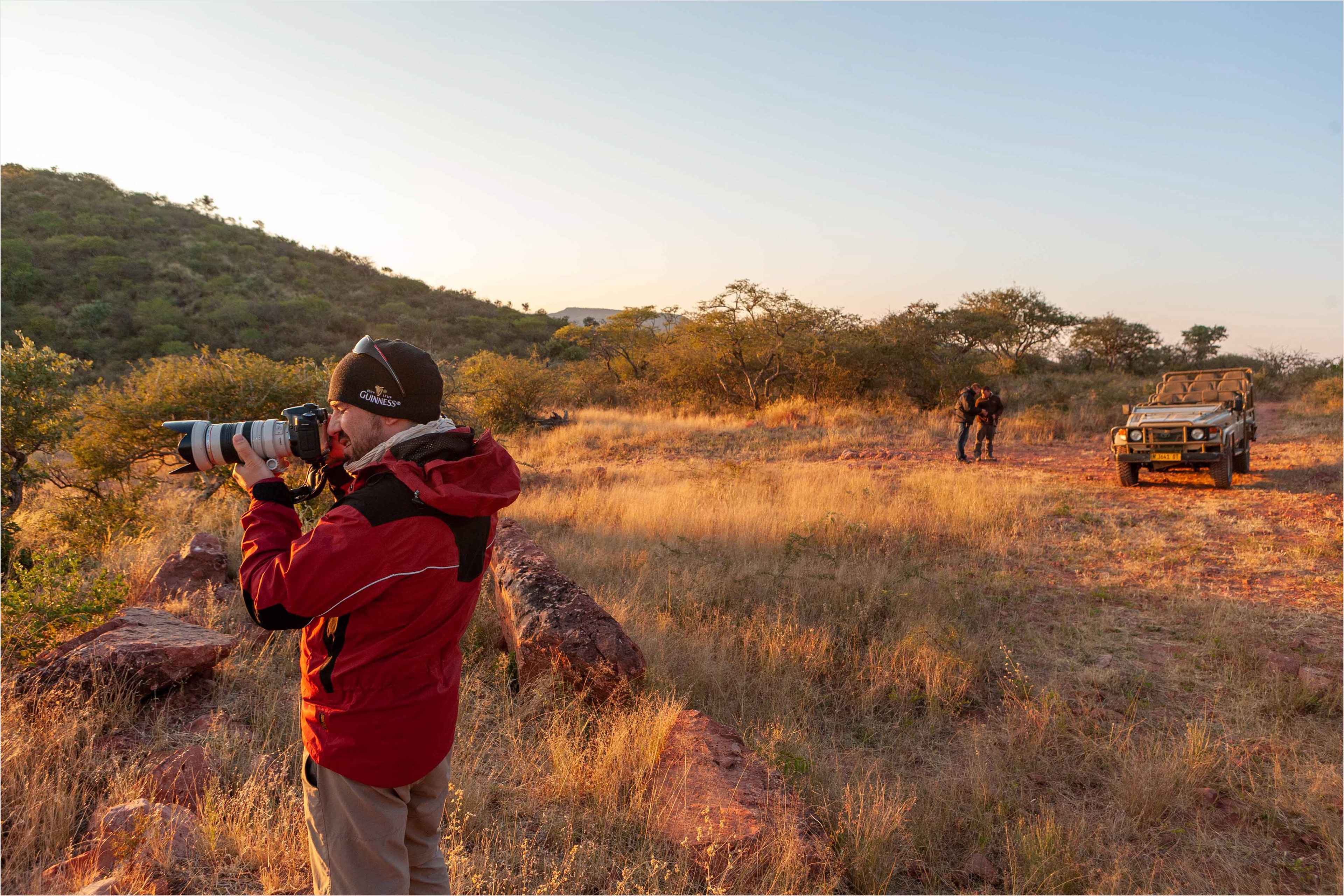
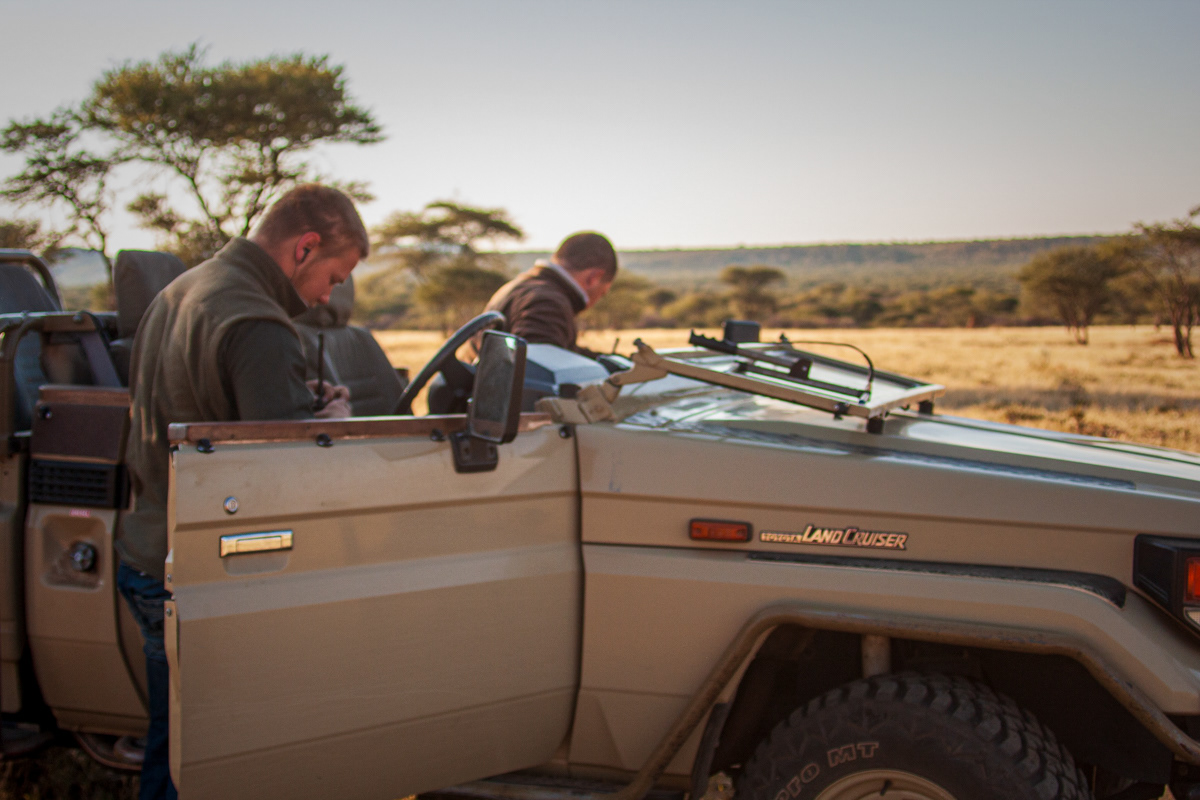



Attrezzatura | Equipment
Canon EOS 5D - [FF]
Canon EOS 40D - [APS-C]
Canon EF 24-70 L USM - [FF / APS-C]
Canon EF 35-350 F/3,5-5,6 L USM - [FF / APS-C]